In Urdu, amaanat translates to “inheritance"
or a very special belonging handed down from one generation to the next.
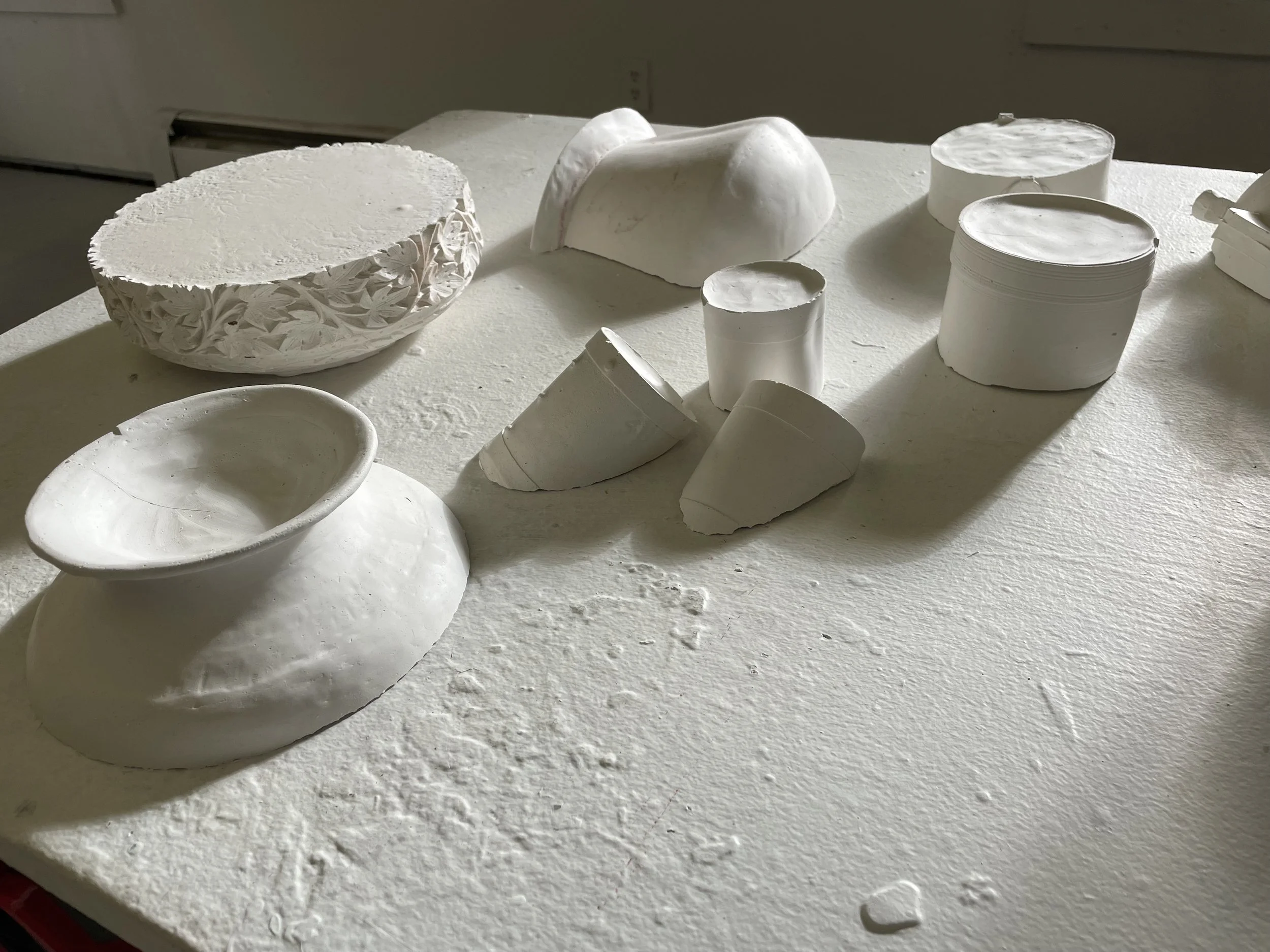
Amaanat is an online archive that aims to record and preserve the connection between object and story. The stories behind objects inherited from immigrant ancestors are fading quickly, and with them, their connection to their roots. This project involves crowdsourcing objects and stories, 3D scanning, and audio recording the stories behind family heirlooms and quotidian objects that are culturally specific and emotionally resonant to the immigrant experience. This archive is created by artist Nirmal Raja with the help of participants across the nation. She investigates the power of material culture to convey cultural nuances, familial histories, and the impact of migration on memory. In this era of stifling immigrant voices and erasure of histories, these stories are first-person narratives subversively situated around objects belonging to all immigrants and those who have recent immigrant ancestry. This project is limited to a 100 objects with a special focus on AANHPI stories.
Nirmal Raja
Nirmal Raja is an interdisciplinary artist who recently relocated to Cambridge, MA after living and working in Milwaukee for over 24 years. Before immigrating to the United States in 1991, she lived in India, South Korea, and Hong Kong. She holds a BA in English Literature from St. Francis College in Hyderabad, India, a BFA from the Milwaukee Institute of Art and Design, and an MFA from the University of Wisconsin–Milwaukee. In recognition of her accomplishments, she was named “Graduate of the Decade” by UW–Milwaukee. Other honors include the 2020 Mary L. Nohl Fellowship for Individual Artists and the 2022 Mildred L. Harpole Artists of the Year Award from the Milwaukee Arts Board.
At the core of her practice is a compelling refusal to be defined by others. She is committed to letting curiosity and experimentation guide her path. Her work revolves around understanding the impact of migration on women, the weight of cultural responsibilities placed on women while traversing geographic boundaries, and material culture as a witness and testament to these memories.